Walk past any busy Adelaide casino floor and you will see the same pattern repeated across the craps pit: most players cluster around the pass line and come bets while the proposition wagers sit quietly in the middle. That split matters because prop bets are built on short-term variance and a much higher house edge, which is exactly why do craps players avoid prop bets when they are chasing a steadier session. The difference is less about superstition and more about how the maths, the pace, and the stickman’s patter all pull in a different direction.
The house edge that changes the whole rhythm

The first thing seasoned shooters notice is that prop bets carry a steeper mathematical bite than the core line wagers. A hard four or hard ten sits at roughly 11.11% house edge, and even the single-number propositions leave the player exposed on almost every roll. That is a marked contrast to the pass line, where the edge sits closer to 1.41% before any odds multiplier is added. When I have negotiated affiliate partnerships across Macau and the Las Vegas Strip, the revenue split tells the same story: Macau earns several times more casino revenue than the Las Vegas Strip, and that gap is driven largely by volume and base-game retention rather than one-off proposition spikes. Craps players who understand that arithmetic tend to keep their chips on the bets that give them more rolls per dollar, because the prop layout is designed to drain a bankroll faster than it builds a narrative.
How the stickman and the table talk shape decisions
The pace of a craps table is set by the crew, and the stickman announces each roll with colourful, traditional patter that keeps the energy moving without asking anyone to chase a hot number. That rhythm matters. When the dice are clicking and the crowd is calling out, a player who has already committed to a prop wager is locked into a single outcome while the rest of the table keeps cycling through pass, don’t pass, and odds. I have seen operators in Adelaide test the same floor layout with different crew scripts, and the sessions that feel busiest are usually the ones where the stickman’s cadence gives players enough breathing room to place a line bet, take odds, and step back before the next throw. Prop bets interrupt that cadence because they demand a faster decision on a narrower set of outcomes, which is why regulars often leave them untouched unless they are buying in for a short, high-variance fling.
Verification, first sessions and the sign-up reality
For anyone joining a table through an online or hybrid setup, the first session is where the prop bet temptation usually shows up, and it is also where a careful signup process pays off. Registration, eligibility checks, identity verification, and a first deposit that clears before bonus activation all slow the rush down just enough to let a new player read the table rather than throw chips at every spot. I have worked with platform providers who build that friction deliberately, because a first play that starts with a pass line and a small odds bet tends to produce a longer, clearer session than one that opens with a field or a hard way. That approach is not about gatekeeping; it is about making sure the first deposit, the bonus terms, and the wagering window all line up with the kind of play the player actually wants. The same logic applies to loyalty tiers and mobile access: a clean signup and a transparent first session give a player a better read on whether the table suits their bankroll before they ever touch a proposition square.
| Detail | What it means on the floor |
|---|---|
| Core line edge | Pass and don’t pass sit near 1.41% before odds |
| Prop edge range | Hard ways and single numbers run much higher |
| Table cadence | Stickman patter sets the pace for line bets |
| First session focus | Verification and bonus activation come before prop play |
When a prop bet actually earns a seat at the table
None of this means prop bets are pointless; it means they answer a different priority than the main line. A player who wants a quick, self-contained action on a single roll, or a shooter who is buying in for a short arvo session with a strict stop-loss, may find a proposition wager fits that brief. The catch is that the bet has to be sized to the outcome it covers, not to the table around it. As Lucas Lewis, Head of Public Relations, Yarra Gaming Lab, put it when we discussed table design and player retention: “Prop bets work when they are treated as a deliberate side note, not as the main event, because the edge and the pace both punish anyone who treats them like a base strategy.” That is the practical split: line bets support a longer read on the dice, while prop bets are a targeted punt that should be measured against the same bankroll discipline as anything else.
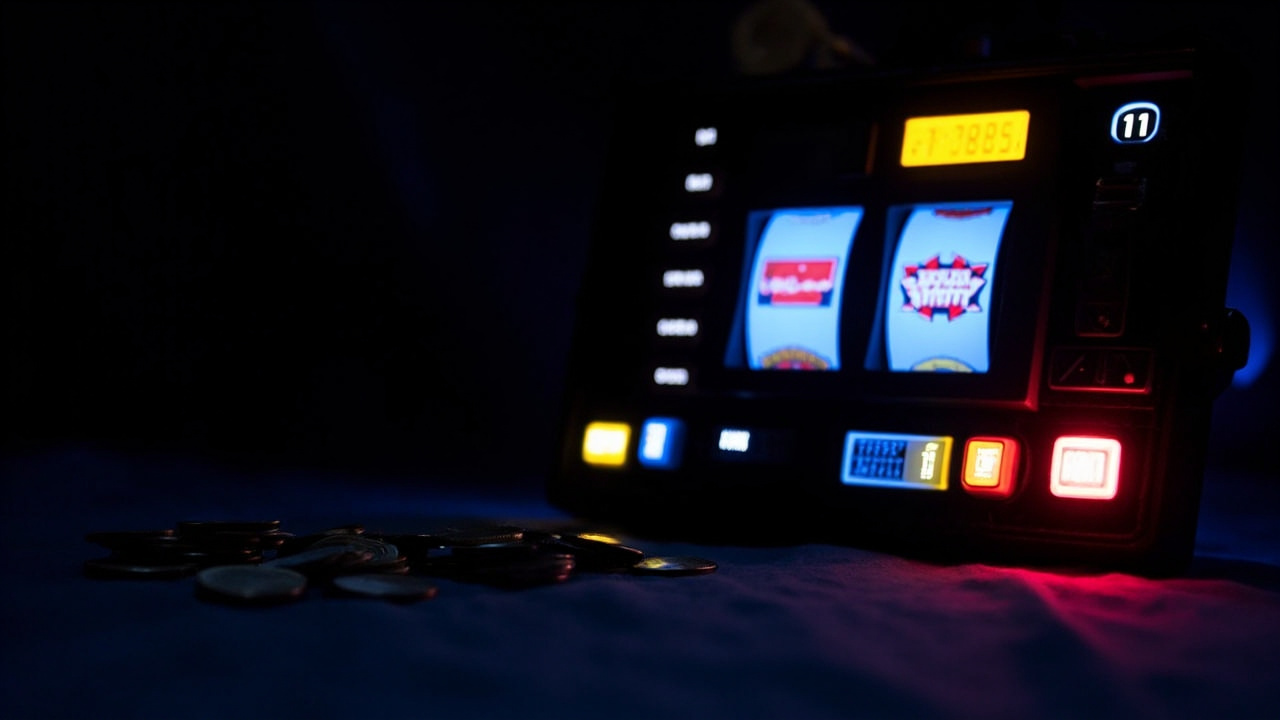
For those moments when the dice slow down and you are looking for a different kind of thrill, shifting your focus to online slots can be just as rewarding. You can play big bass amazon xtreme here to keep the excitement going without leaving your seat. It is all about finding the right game to suit your mood and bankroll.
Most regulars keep their chips off the proposition squares because the maths, the stickman’s rhythm, and the longer session they want all point in the same direction. Prop bets are not forbidden; they are just a different kind of action, and players who understand that distinction usually leave them for the moments when a short, specific punt makes sense rather than making them the centre of the table.


 BÁO GIÁ QUỸ CĂN ĐẸP
 GỌI NGAY